

From the smart stadium to the connected stadium
In recent years, many clubs have talked about the smart stadium. However, Abril focuses on a different layer. “I like to think that the connected stadium is key and a preliminary step, because it is based on infrastructure,” he states.
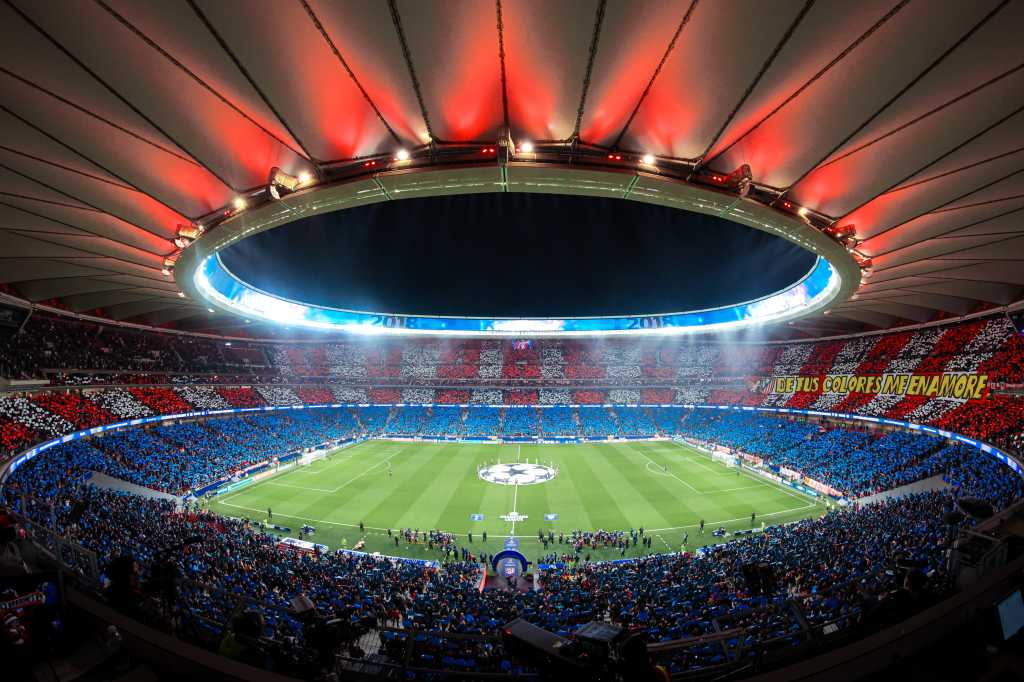
For Atlético de Madrid, that foundation is critical in a high-density environment. “Without a well-designed, secure infrastructure capable of scaling to meet the ever-increasing connectivity needs of services, this is impossible to implement in a venue with more than 70,000 connected people,” he maintains.

René Abril Martín, Director of Technology and Digital Development at Atlético de Madrid.
Atlético de Madrid
The priority is clear and operational: ensuring performance during critical moments. “Our number one priority is that our networks can handle those spikes in demand. That during those moments, connectivity is ensured not only for end users and fans but also for critical services, such as staff, operations, and food and beverage,” he explains. “Everything else comes second.”
Riyadh Air Metropolitano: Infrastructure ready for a new era
The most visible evolution of this strategy is the technological modernization project for the Riyadh Air Metropolitano in partnership with HPE Networking, which will be carried out in two phases during the 2025/26 and 2026/27 seasons. For the club, it’s not just about updating technology. “We want to offer the best experience to our fans. We feel we’ve been providing optimal communications at our stadium for years, but at the same time we want to incorporate all the advancements that networking technology has brought since its opening in 2017,” he explains.
These years have allowed the club to identify and plan use cases that were difficult to implement with technology from 10 years ago and that HPE’s solutions now offer. “The first is understanding the network. The HPE Networking Central tools and the information they provide to our engineers and administrators are amazing. Even the capabilities that the artificial intelligence included in this platform brings will help us understand aspects of the network that weren’t even in our original requirements, but that will be crucial for improvement.”
The deployment includes the renewal of the wireless infrastructure with more than 1,500 access points and the incorporation of Wi-Fi 6 and Wi-Fi 7 technologies. “They will offer us much greater capacity and stability in an environment with many devices connected simultaneously. Reduced latency is another benefit fans will enjoy with the new deployment,” explains Abril. The goal is to improve the real-time experience, especially during peak demand.
