


Designing for extreme variability
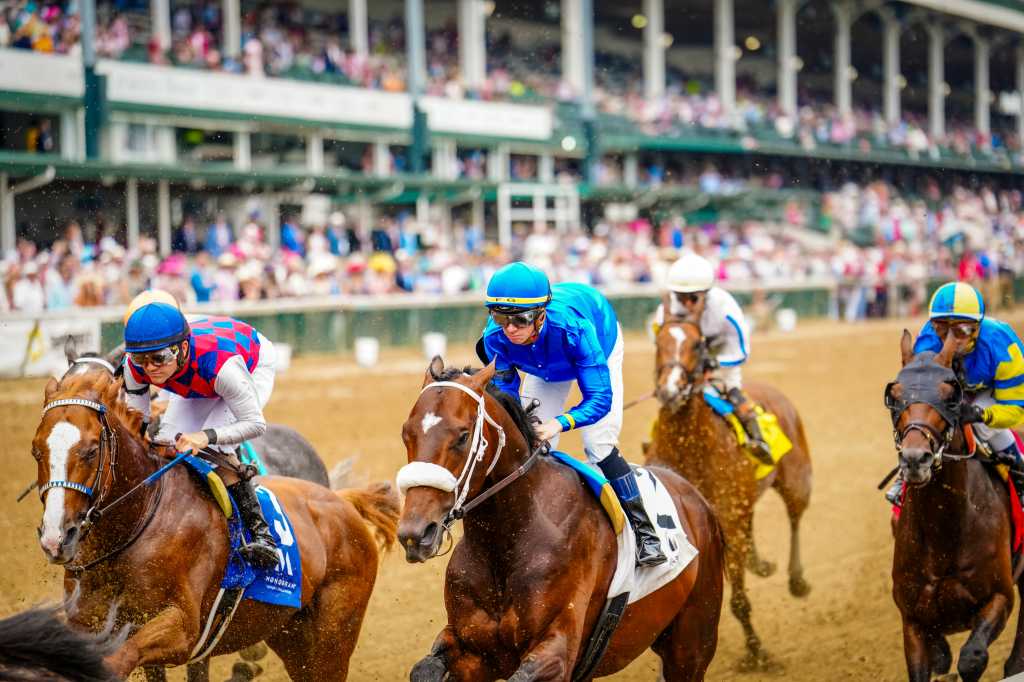
Most enterprise networks are designed for relatively consistent load patterns. Churchill Downs faces something entirely different: a facility that might host 50,000 people on a typical day can swell to 170,000-180,000 during Derby Week, with peak demand concentrated in specific time windows.
“It really is all about that week,” Simon explains. “That building on a really big day outside the week of the Kentucky Derby might be 50,000, but on Derby Day it’s 150, 170, or 180,000 people.”
This creates unique design requirements. Entire sections of the facility remain “mothballed” for most of the year but must activate seamlessly during Derby Week. The network must support not only connectivity but also point-of-sale systems that process thousands of transactions simultaneously, IP-based television distribution to thousands of screens, and mobile ticketing for hundreds of thousands of fans—all while maintaining sub-second latency for wagering systems.
Austin Lin, vice president of product management for Cisco’s networking platform, emphasizes the operational transformation enabled by modern network management: “We see dramatic improvements, you know, upwards of 80% in many cases, in many cases more than that as well” in support ticket reduction and operational efficiency.
Security at tier-one event scale
The Kentucky Derby is classified as a SEAR 2 (Special Event Assessment Rating) event, placing it in the same category as major political conventions and championship sporting events. This designation brings federal agencies into the security picture and dramatically elevates cyber defense requirements.
“Historically, we would take our SOC data and Splunk telemetry, and because of the volume of data, it would take up to 40 hours to determine whether an issue was serious,” Simon recalls. “Now, we can do that in a minute or two. We get an alert and see a tremendous reduction in false positives.”
