



Meta has announced a new set of anti-scam features across WhatsApp, Facebook, and Messenger, introducing AI-driven detection systems and new warnings designed to help users identify suspicious activity before they become victims.
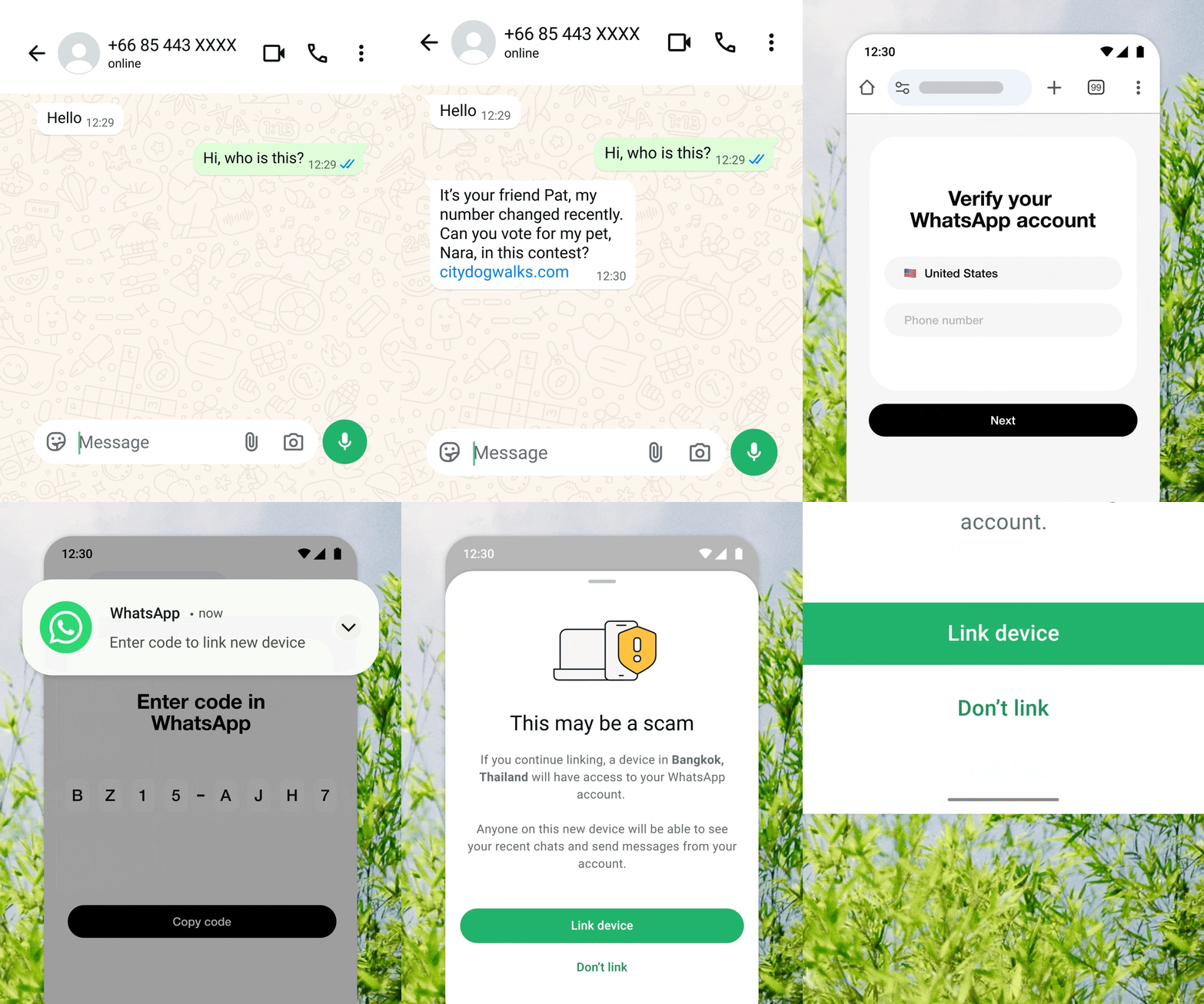
One of the key additions is a new device-linking warning in WhatsApp. The feature targets a common attack method in which scammers trick victims into linking their WhatsApp accounts to the attacker’s device. Fraudsters often do this by convincing users to share a device-linking code or scan a QR code under false pretenses.
The new system analyzes behavioral signals around linking requests and warns users when a request appears suspicious. The alert also shows where the request originated, giving users a chance to cancel the action before their account becomes compromised.
Meta is also testing new suspicious-friend-request alerts on Facebook. When users send or receive requests from accounts that display potentially risky signals, such as having very few mutual friends or listing a location in another country, Facebook will display a warning encouraging users to review the request carefully before accepting it. The prompt also provides quick options to block or decline the request.

Meta
Another major development is the expansion of AI-powered scam detection in Messenger, which Meta is rolling out to additional countries. When the system detects patterns associated with common scams, such as fraudulent job offers or suspicious investment pitches, in conversations with unknown contacts, users receive a warning message.
Messenger may then prompt users to submit recent chat messages for an automated AI analysis. If the system determines that a scam is likely, it provides additional information about the scam type and recommends actions such as blocking or reporting the account.
AI against impersonation and risky links
Alongside the new user-facing alerts, Meta says it has expanded AI use to detect more complex scam operations.
The company’s AI models analyze multiple signals, including text, images, and contextual account information, to identify scams involving celebrity impersonation, brand abuse, and deceptive advertisements. These systems are designed to detect subtle indicators such as fake fan engagement patterns, misleading account biographies, and manipulated associations with public figures.
Meta also uses AI to detect deceptive links and domain impersonation, where attackers redirect victims to websites mimicking legitimate services to steal credentials or payment information.
Verification and enforcement efforts
Meta said it is also expanding its advertiser verification program, aiming to have verified advertisers account for 90% of ad revenue by the end of 2026, up from 70% today. The move targets categories considered most vulnerable to scams while leaving low-risk businesses under lighter requirements.
The company reports that its enforcement operations removed over 159 million scam ads in 2025, with 92% taken down before users reported them. Meta also disabled 10.9 million Facebook and Instagram accounts linked to scam centers.
In addition, a recent joint operation with global law enforcement agencies led to the disabling of more than 150,000 accounts associated with scam networks in Southeast Asia and resulted in 21 arrests by the Royal Thai Police.
If you liked this article, be sure to follow us on X/Twitter and also LinkedIn for more exclusive content.
