

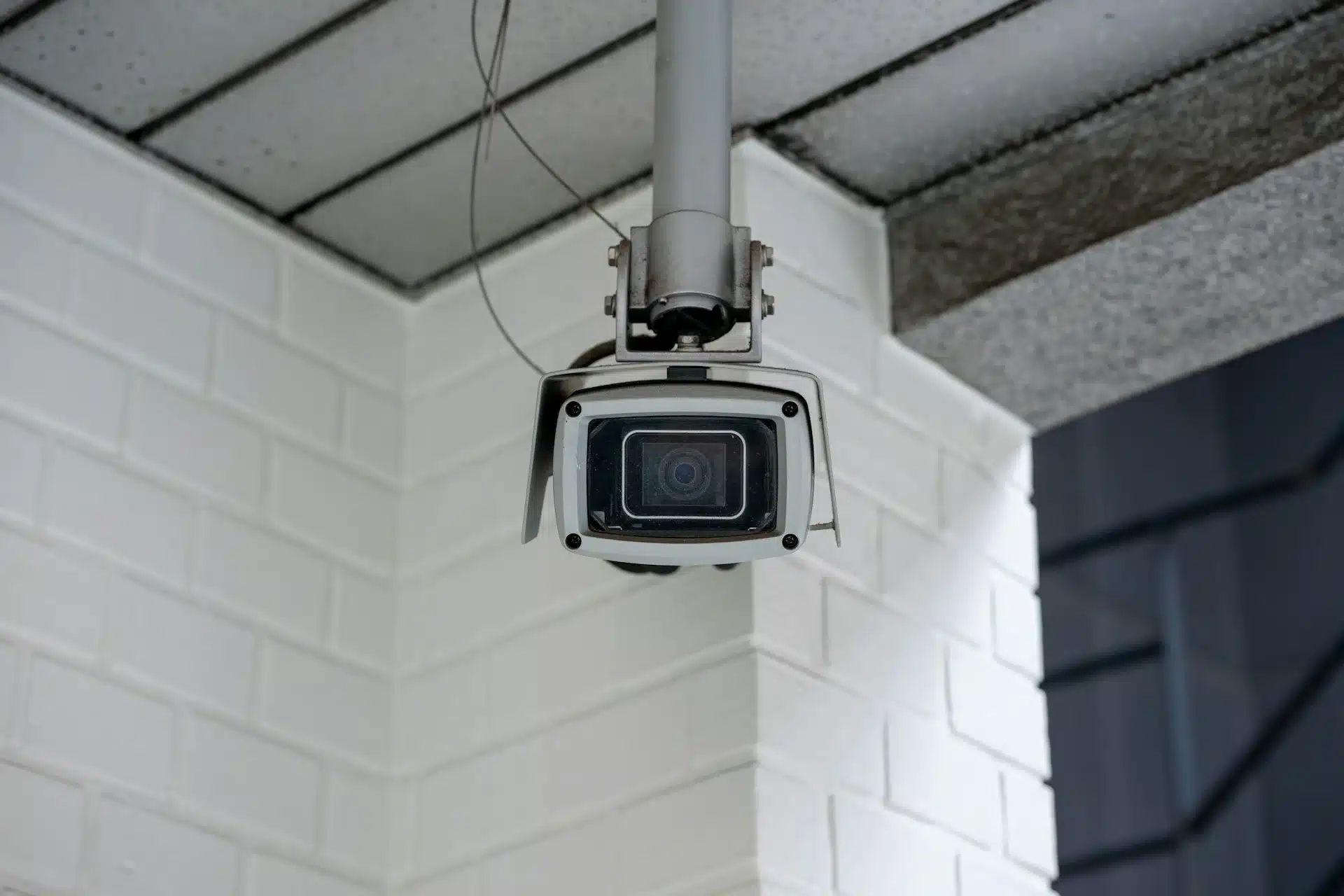
A Super Bowl commercial for Ring camera doorbells ignited a wave of criticism across the United States, intensifying an already heated national conversation about surveillance and privacy. The advertisement aired during the Super Bowl, the championship game of American football, and one of the most-watched television events in the country.
With millions of people tuning in, companies traditionally compete for attention with high-budget, humorous or emotionally compelling commercials. Viewers often expect to be entertained and frequently revisit standout ads on platforms like YouTube within hours of the broadcast. But this particular commercial, produced by Ring, did not generate admiration. Instead, it drew a sharp backlash.
The company is best known for its Ring camera doorbells that double as security cameras, used its Super Bowl advertisement to introduce a new feature designed to help users locate lost pets. Rather than receiving praise or indifference, the company faced overwhelmingly negative reactions. Critics described the feature as intrusive, with some labeling it “Orwellian surveillance.” Lawmakers voiced concern, lawsuits were threatened, and reports surfaced that thousands of customers canceled their subscriptions.
The outcry became significant enough that Ring ended a partnership with Flock, a company specializing in automatic license plate readers (ALPRs). The partnership would have allowed Ring to access video databases tied to its security cameras.
From Start-Up to Subsidiary: Ring’s Controversial Path
Ring was founded in 2013 as a technology start-up focused on home security cameras and smart doorbells. The company quickly attracted investors and consumer attention. In 2018, it was acquired by Amazon, a move that accelerated its growth and broadened its reach.
However, expansion brought controversy.

Over the years, Ring has partnered with local police departments to promote its products. In some cases, customers signed agreements that critics argued allowed law enforcement broad access to footage captured by Ring camera doorbells. The company has also faced scrutiny over facial recognition features that stored images of individuals who appeared in front of its security cameras. In one high-profile case, Ring paid $5.8 million to settle allegations that employees accessed customers’ private video data without authorization.
Surveillance Beyond the Suburbs
The controversy surrounding Ring camera doorbells is unfolding against a backdrop of widespread surveillance in major cities, as reported by the Fair Observer.
Washington, DC reportedly has more than 30,000 cameras, making it one of the most surveilled cities in the world. New York City has long grappled with debates about the use, and potential misuse, of surveillance technology.
Much of the growth in public monitoring systems followed the September 11, 2001 attacks. Since then, governments have expanded camera networks in the name of public safety. Yet concerns about abuse have persisted, whether surveillance tools are controlled by public authorities or private firms.
Why the Backlash Was So Intense
Surveillance technology is already embedded in daily life. Cameras monitor traffic and storefronts. Smartphones track user locations. Apps and websites collect behavioral data. Yet the public response to the Super Bowl advertisement shows that visibility and proximity matter.
For many Americans, abstract data collection feels distant. A camera mounted at eye level on a neighbor’s front door, however, recording passersby in real time, feels personal. Ring camera doorbells transform sidewalks and shared spaces into monitored zones. That immediacy intensifies unease.
Public debates around protest monitoring and digital tracking have heightened fears that surveillance tools could suppress dissent or disproportionately target certain communities. During periods of civil unrest, reporting has shown that expanded monitoring can raise concerns about free expression and civil liberties.
Surveys consistently indicate that Americans value privacy and want greater control over who can access their personal data. The backlash against Ring’s Super Bowl advertisement was therefore about more than one feature on a device. It reflected broader discomfort with how normalized security cameras and digital surveillance have become.
