

However, as the performance of quantum computers grows, so does the threat to current encryption methods. The “harvest now, decrypt later” attack—stealing data today to decrypt it in ten years—is a real danger. IBM and partners such as HSBC are therefore pushing for a ten-year modernization phase toward quantum-secure cryptography standards (post-quantum cryptography).
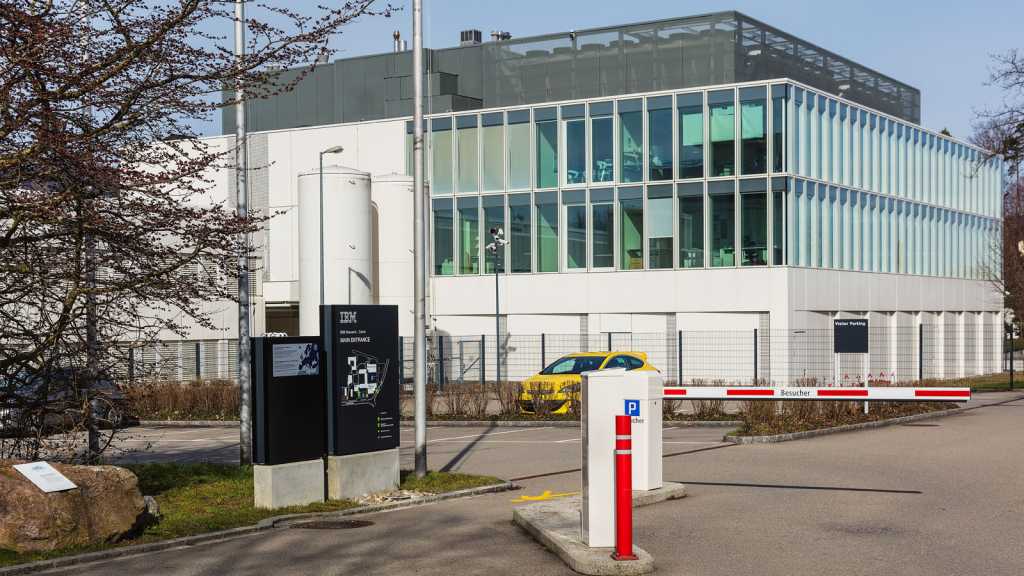
Intensive research is therefore being conducted in Zurich laboratories on quantum-secure tapes for long-term archiving. These are essential if sensitive data in sectors such as government, military, finance, or healthcare is to be stored for periods of up to 30 years. And they must also be protected from decryption for 10-20 years. IBM researchers are currently considered leaders in the implementation of post-quantum cryptography in tape firmware.
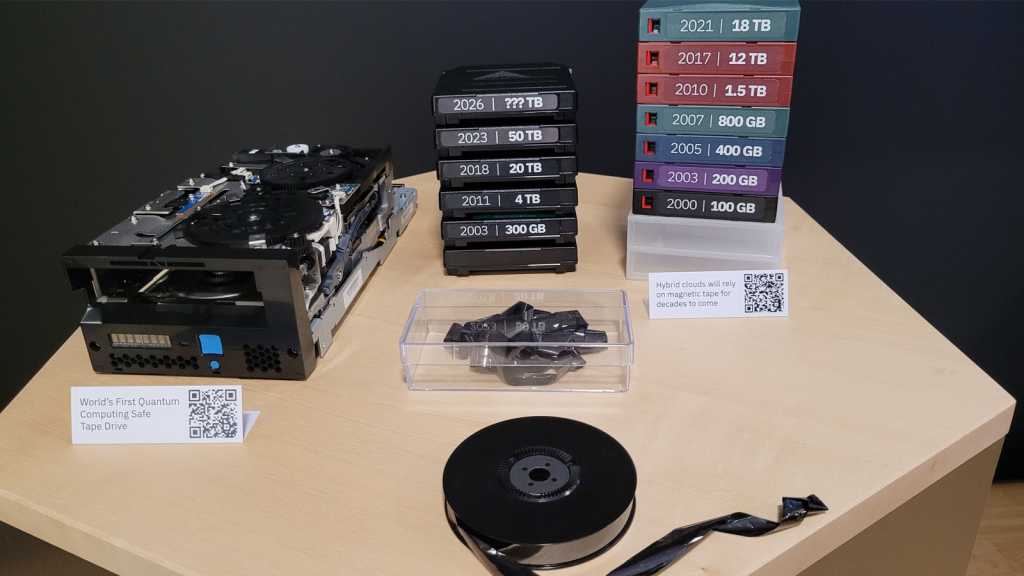
Advances in tape development. On the left is a quantum-secure tape drive.
Hill
In parallel with its research into quantum computers, IBM is promoting sustainability through AI. One example of this is the ImpactMesh project. In collaboration with ESA and NASA, foundation models are being used for Earth observation to enable real-time disaster relief. In Kenya, these models have already helped to predict flood risks and landslides within days instead of weeks.
AI detects dangerous PFAS
AI is also finding its way into materials research. For example, the AI solution Safer Materials was developed to help companies identify toxic or environmentally harmful chemicals in their products and replace them with safer alternatives. One focus is on so-called forever chemicals (PFAS). AI can use structure-based analysis to determine whether a chemical belongs to the PFAS class, even if global definitions vary. It also suggests sustainable alternatives before regulations take effect.
IBM researchers in Zurich, in collaboration with Bane Nor, are demonstrating how AI models with a little intuition can be used for other purposes. The Norwegian state-owned company is responsible for the country’s railway infrastructure. This includes regularly checking 4,000 kilometers of track for defects. Until now, this has been a Sisyphean task, with inspectors often walking the tracks on foot to record damage to sleepers, rails, or fastenings.
AI on Norway’s railways
In collaboration with IBM Research, a process for automated visual inspection was developed. The core of the project is based on knowledge transfer. The IBM team used an AI model that was originally developed for inspecting concrete structures such as bridges. This was adapted to the Norwegian rail network.
