

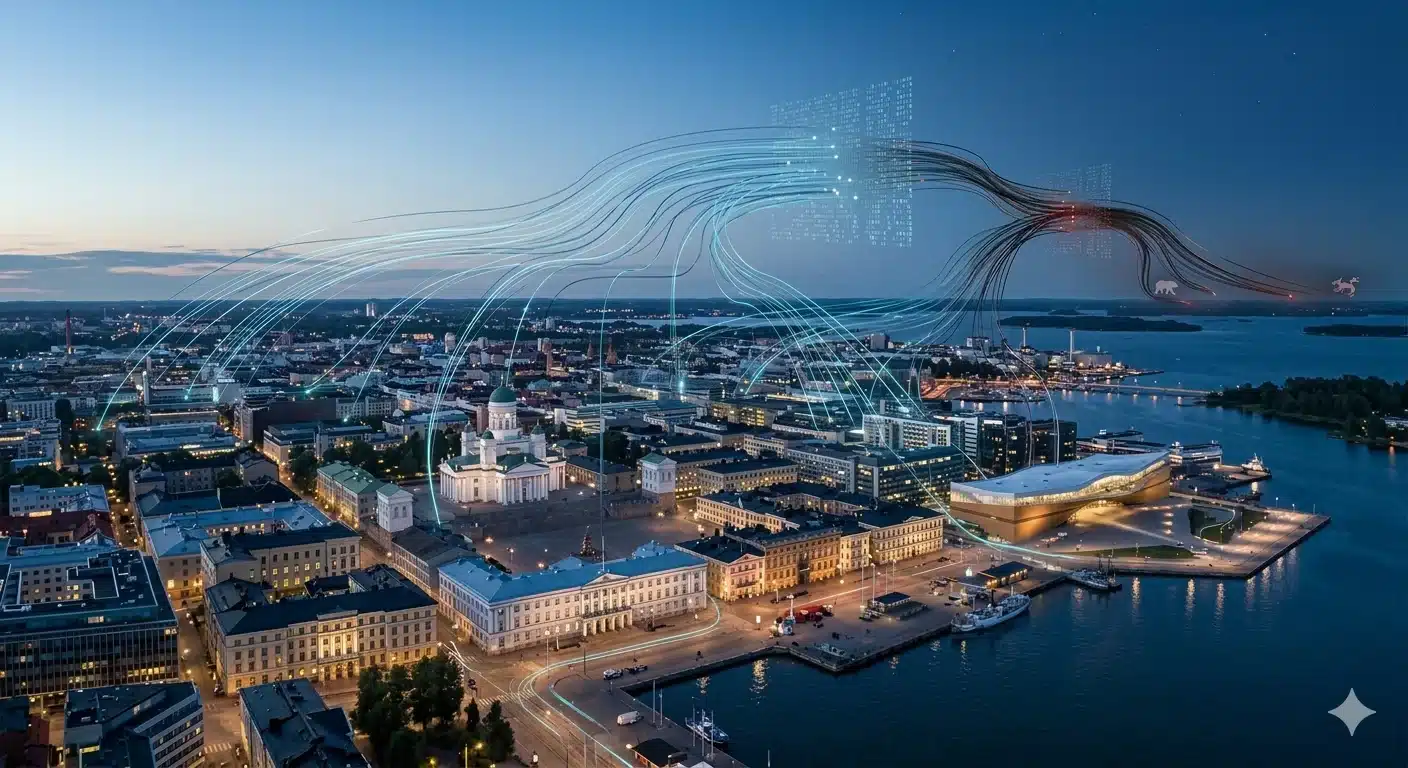
Finland is facing a growing intelligence challenge as Russia and China cyberespionage targeting Finland continues to expand across the country’s technology sector, research institutions, and government networks. The warning comes from Finland’s Security and Intelligence Service (SUPO), which released a new national security overview highlighting the persistent threat from foreign intelligence operations.
The report suggests cyber espionage against Finland is not limited to isolated incidents. Instead, it involves a combination of cyber intrusions, traditional espionage, and influence operations designed to collect sensitive information and shape political or economic decisions.
The warning about Russia and China cyberespionage targeting Finland reflects that countries are no longer focused only on military secrets but also targeting technology development, economic strategies, and innovation ecosystems.
Russia and China Cyberespionage Targeting Finland’s Technology Sector
According to the SUPO national security overview, the most frequent intelligence operations linked to foreign states originate from Russia and China. These activities increasingly focus on Finland’s technology sector and research institutions, areas that play a key role in the country’s economic and strategic future.
The report notes that Russia and China cyberespionage targeting Finland often involves penetrating digital systems to access research data, proprietary technologies, and policy discussions. In several cases, state-backed actors have successfully infiltrated the networks of Finnish start-ups.
This trend highlights a worrying reality: smaller technology companies, despite driving innovation, often lack the cybersecurity resources needed to defend against sophisticated state-backed cyber espionage campaigns.

For intelligence agencies, start-ups represent valuable targets. Early-stage research and emerging technologies can provide strategic advantages long before products reach the market.
Russia’s Intelligence Interest in Finland Remains Strong
SUPO also warns that Russia’s intelligence interest in Finland will likely intensify in the coming years. Even if geopolitical tensions change, Russia and China cyberespionage targeting Finland is expected to remain a long-term concern.
Russia’s intelligence capacity across Europe has been affected by its ongoing war in Ukraine. However, the report suggests that Moscow is already preparing to rebuild its intelligence networks, including operations focused on Finland.
Finland’s geopolitical position makes it particularly relevant. As a NATO member located between the Baltic Sea and the Arctic region, the country holds strategic importance for both security and economic activities in northern Europe.
SUPO Director Juha Martelius warned that if relations between Russia and Western countries partially normalize in the future, intelligence operations could become even more diverse.
Russia may increasingly rely on proxy actors and remote intelligence gathering while maintaining pressure through cyber operations.
China’s Long-Term Intelligence Strategy
Alongside Russia, China continues to maintain a strong intelligence interest in Finland. The report states that Russia and China cyberespionage targeting Finland includes Chinese cyber operations that are both persistent and long-term.
Chinese intelligence activity has traditionally focused on foreign policy and security matters, but it is increasingly expanding into areas such as critical infrastructure and advanced technologies.
This reflects China’s broader strategy of securing technological advantages and strengthening control over global supply chains. The SUPO report notes that control over critical minerals, raw materials, and manufacturing technologies gives countries significant geopolitical leverage.
For Finland, this means that protecting innovation and industrial development has become closely tied to national security.
Economic Security and Cyber Threats Are Now Linked
One of the key messages from the assessment is that economic competitiveness and national security are becoming deeply interconnected. Technology development, supply chains, and access to raw materials are now strategic assets in global power competition.
As a result, Russia and China cyberespionage targeting Finland is increasingly aimed at gathering economic intelligence. By accessing technological research or industrial plans, foreign intelligence services can gain advantages in emerging industries.
This is why Finland’s intelligence services are paying closer attention to the role of the private sector in national security. Protecting companies working on advanced technologies is no longer only about business interests—it is about safeguarding strategic capabilities.
A Persistent Cyberespionage Threat
The SUPO report makes it clear that Russia and China cyberespionage targeting Finland is unlikely to disappear. As technological competition intensifies worldwide, intelligence agencies will continue to pursue information that strengthens their countries’ strategic positions.
At the same time, Finland must maintain an open research environment and international partnerships that drive innovation. Balancing security with openness remains one of the country’s biggest challenges.
