

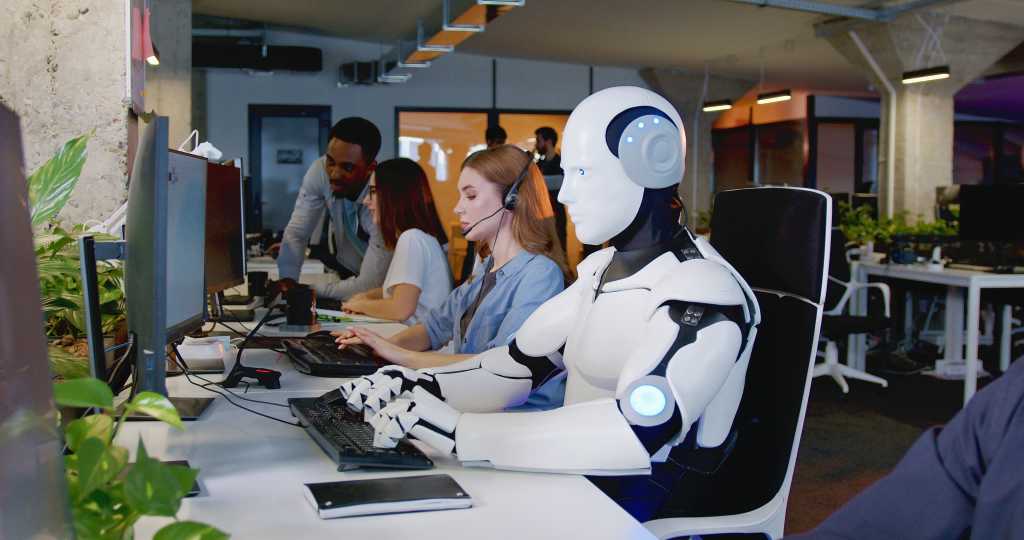

What’s missing from both of these analyses, however, is the bigger-picture impact on how work will be done in the age of AI. To best make use of the emerging technology, workflows and roles must change, and until that is resolved on an industry-by-industry basis, companies will be “kind of stuck where we are,” said Andersen.
This will disproportionately hurt younger workers seeking employment, potentially for some time, he noted. Meanwhile, existing employees may resist changes to workflows unless the changes are “significant and designed to reward experience and expertise.”
Right now, AI is seen as a way to offload work that would normally be handled by less-experienced resources, which Andersen sees as a problem. “We need to realign tasks and roles to balance this,” he said. The good news is that companies will be incentivized to do so, he noted, adding that workplace demographics in most first-world societies are changing as more white collar workers retire.
